
Sex Offender Checks in Carroll County
The Iowa Sex Offender Registry is the main public channel for Carroll County sex offender records. Iowa's Division of Criminal Investigation maintains the statewide system. The Carroll County Sheriff performs local registration and verification work under Iowa Code section 692A.120. Search the state system first because it supplies the public profile, geographic tools, and registration status in one place.
A county filter gives broad local context. A name query works better when identity is known, while a city, ZIP, address, or radius search helps with place-based safety planning. Match several details. Similar names occur, and a record may list an alias or prior location. If an entry appears wrong, preserve the profile details and contact registry staff. Do not confront the person shown.
The official Iowa registry search shows the interface used for Carroll County queries.
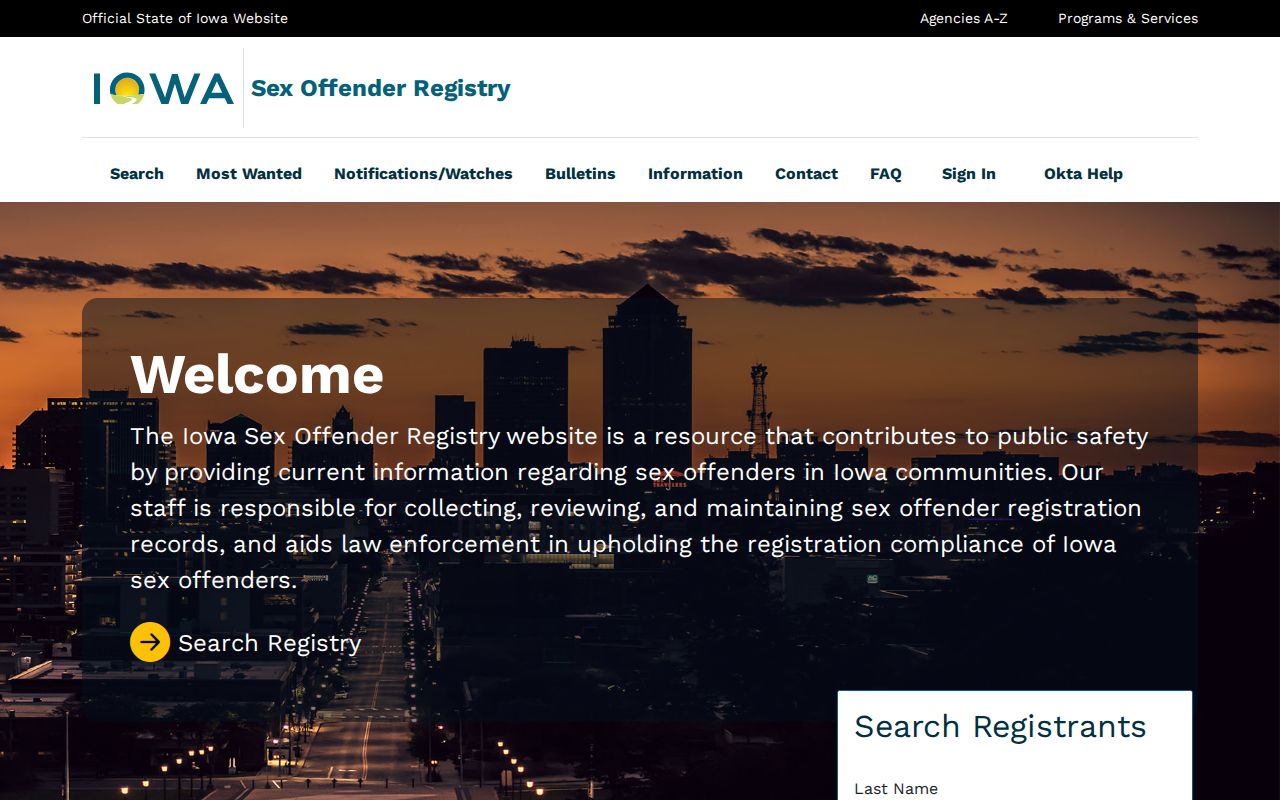
The state interface is the proper starting point for current public registry information, not a general people-search service.
Choose a Carroll County Registry Search
Each search mode answers a different question. Use a name when checking a known identity. Choose Carroll in the county field to review the county as a whole. City and ZIP searches narrow the place but can miss a record tied to a nearby mailing address. Address and radius controls are best for a location-focused review, though the live site controls the available distance choices.
For a move across Iowa or another state, do not stop at one county result. The National Sex Offender Public Website searches participating jurisdictions and adds an interstate layer.
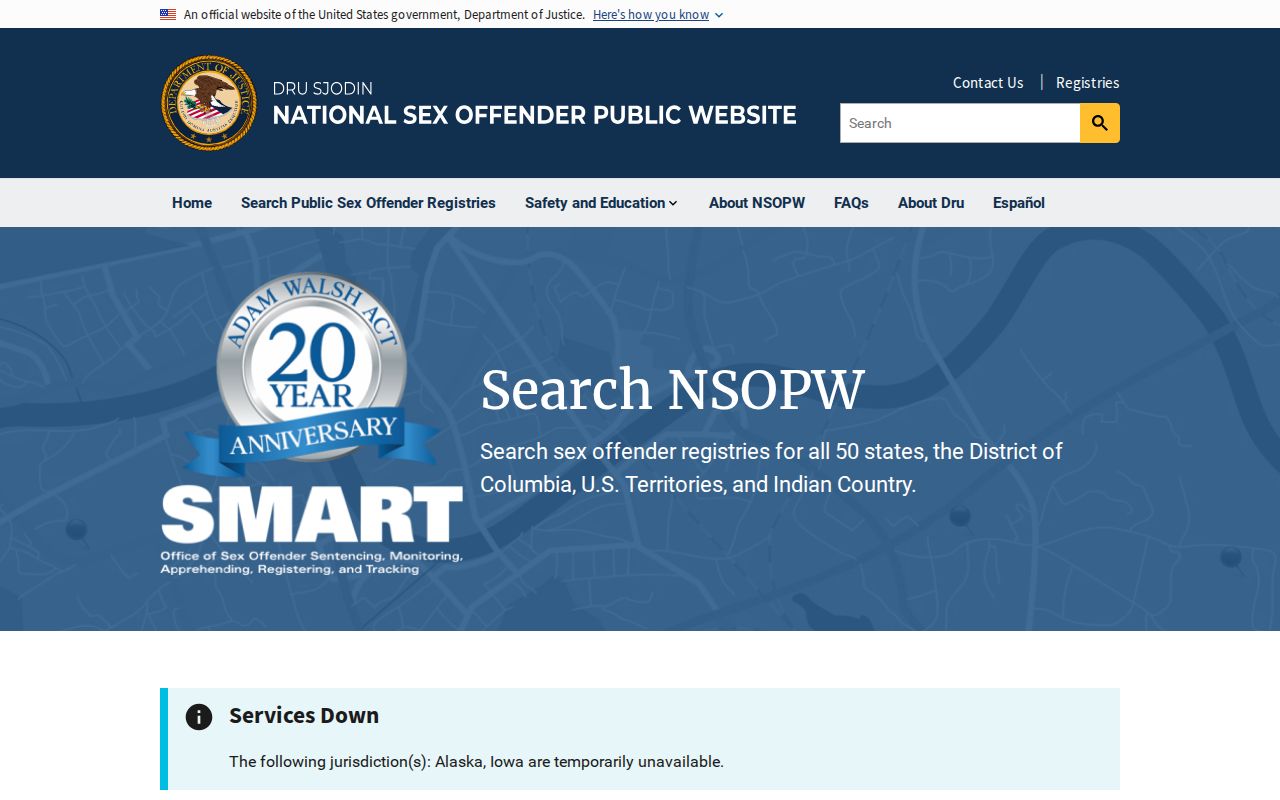
NSOPW is a supplement to the Iowa source. Iowa registry staff and the Carroll County Sheriff remain the right contacts for an Iowa entry or suspected local noncompliance.
How to Search the Iowa Sex Offender Registry
Start with the least ambiguous information available, then expand the search only when needed. A Carroll County registry search should separate a true match from a similar name before the profile is used for safety planning.
- Open the official Iowa registry and review its public-use conditions.
- Enter a known name, or search by Carroll County, city, ZIP, address, or radius.
- Review the list or map and compare photographs, aliases, and physical details.
- Open the profile, read the offense and registration status, then use NSOPW if another state may be involved.
The public controls documented for the Iowa registry are shown below. Some fields depend on the chosen search mode.
| Field Label | Type | Required | Notes |
|---|---|---|---|
| Last Name | Text | Mode-dependent | Primary name-search field |
| First Name | Text | No | Narrows a name match |
| County | Dropdown | No | Select Carroll for county results |
| City or ZIP Code | Text or dropdown | No | Limits the geographic search |
| Address and Radius | Text and dropdown | Radius mode | Uses a starting point and live distance options |
| Map/List | View control | No | Changes how geographic results display |
| Search/Clear | Buttons | Not applicable | Runs or resets the query |
Carroll County Registry Office
The Carroll County Sheriff's Office handles local registration duties at 114 E. 6th St., Carroll, IA 51401. Its business number is (712) 792-4393, and the county homepage lists public counter hours as Monday through Friday, 8:00 a.m. to 4:30 p.m. Call before a registration visit to confirm the required appointment steps and documents. State registry support is available through Iowa DCI at (515) 725-6050.
Carroll County Sheriff
114 E. 6th St.
Carroll, IA 51401
(712) 792-4393
Monday-Friday, 8:00 a.m.-4:30 p.m.
Iowa Registry Support
Iowa Division of Criminal Investigation
(515) 725-6050
State registry questions and support
Report suspected noncompliance to the sheriff or the police agency with local jurisdiction. Use 911 only for an emergency. A general chapter 22 records request is not the route for an urgent safety report.
Inside a Registry Profile
Iowa Code section 692A.121 identifies public information that the registry must or may provide. The exact profile can include identity details, locations, the qualifying offense, and compliance information. Read each field as part of the registration record. It does not establish new misconduct.
| Name and Aliases | Legal name, nicknames, and other names reported for identification. |
|---|---|
| Photo and Description | Photograph, sex, race, height, weight, hair and eye color, and identifying marks when public. |
| Registered Location | Residence or location information, plus work or school information when Iowa law permits disclosure. |
| Offense Information | Qualifying offense, statute, conviction information, and related public case details. |
| Vehicles and Other Places | Vehicle information and additional registered locations when included in the public record. |
| Registration Status | Registration dates, status, and compliance information made public by the registry. |
The Iowa criminal-history law governs a broader repository that should not be confused with the registry profile.
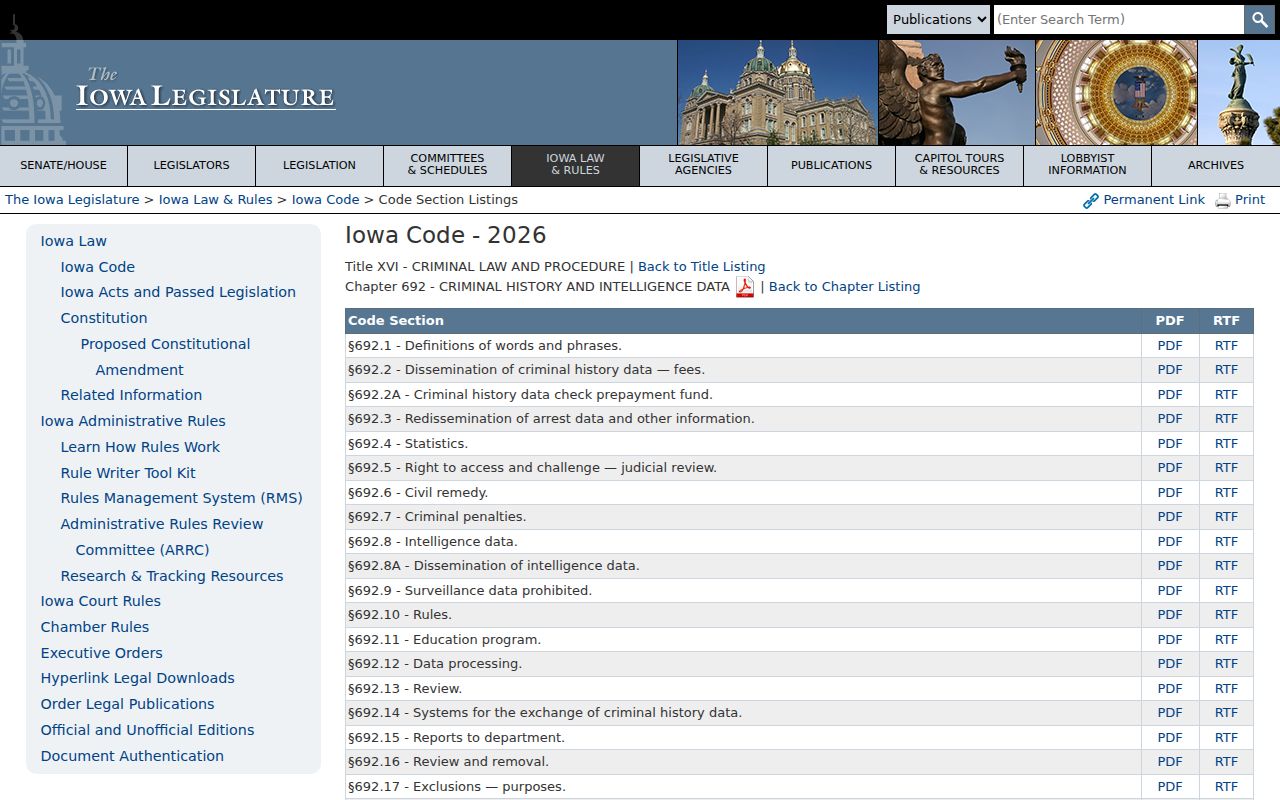
A registry listing proves a legal registration duty. It is not a complete Carroll County criminal history report.
Carroll County Registry Update Timing
Iowa law requires corrected or updated relevant information to reach the public registry within five business days after the registry update or correction. That rule sets an administrative window, so a recently reported change may not appear at once. A stale-looking address deserves a report to registry staff, not an assumption that the registrant is evading the law.
Write down the profile page, field, and observed discrepancy. Contact the Carroll County Sheriff for a local address or compliance concern, or call DCI registry support for a state-site problem. Staff can compare the report against information not exposed to the public. For releasable county documents, follow Carroll County's official open-records policy. The public should not investigate at a home, workplace, or school.
Iowa's Open Records Law explains the general right to inspect public records.
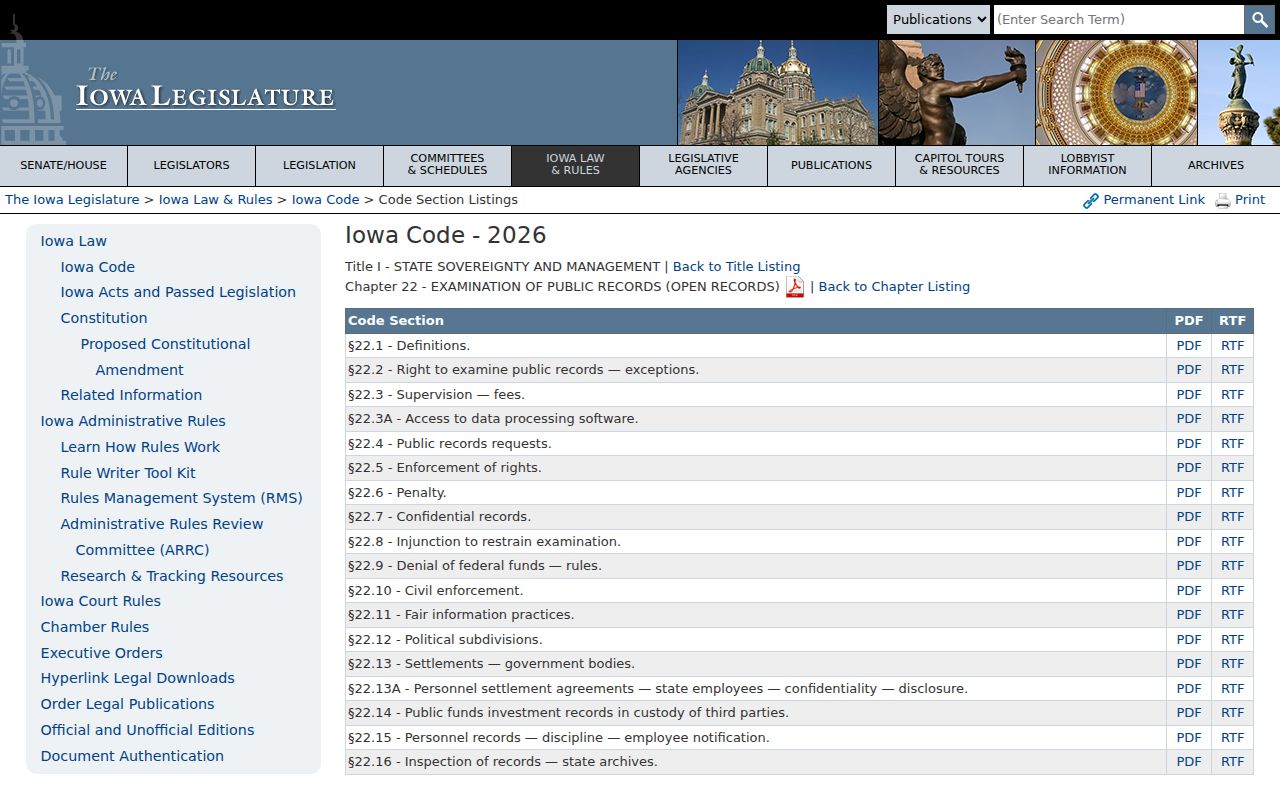
Registry disclosure still follows chapter 692A, so chapter 22 does not turn protected information into a public field.
Iowa Registration Levels and Requirements
Iowa uses Tier I, Tier II, and Tier III offense classifications. The offense classification statute controls the tier. A reader should not assign a tier from an offense's everyday label or infer current risk from duration alone. Verification and in-person duties can vary by tier and status under sections 692A.104 through 692A.108.
| Tier | General Duration | Key Limit |
|---|---|---|
| Tier I | Generally 10 years | Subject to tolling and special statutory rules |
| Tier II | Generally 25 years | Offense classification comes from section 692A.102 |
| Tier III | Generally lifetime | Status and duties still depend on the governing provisions |
Section 692A.106 governs duration, and section 692A.107 addresses tolling. Section 692A.128 supplies a court modification route in defined cases. It is not automatic removal.
The official Iowa registry chapter provides the controlling classifications and duties.
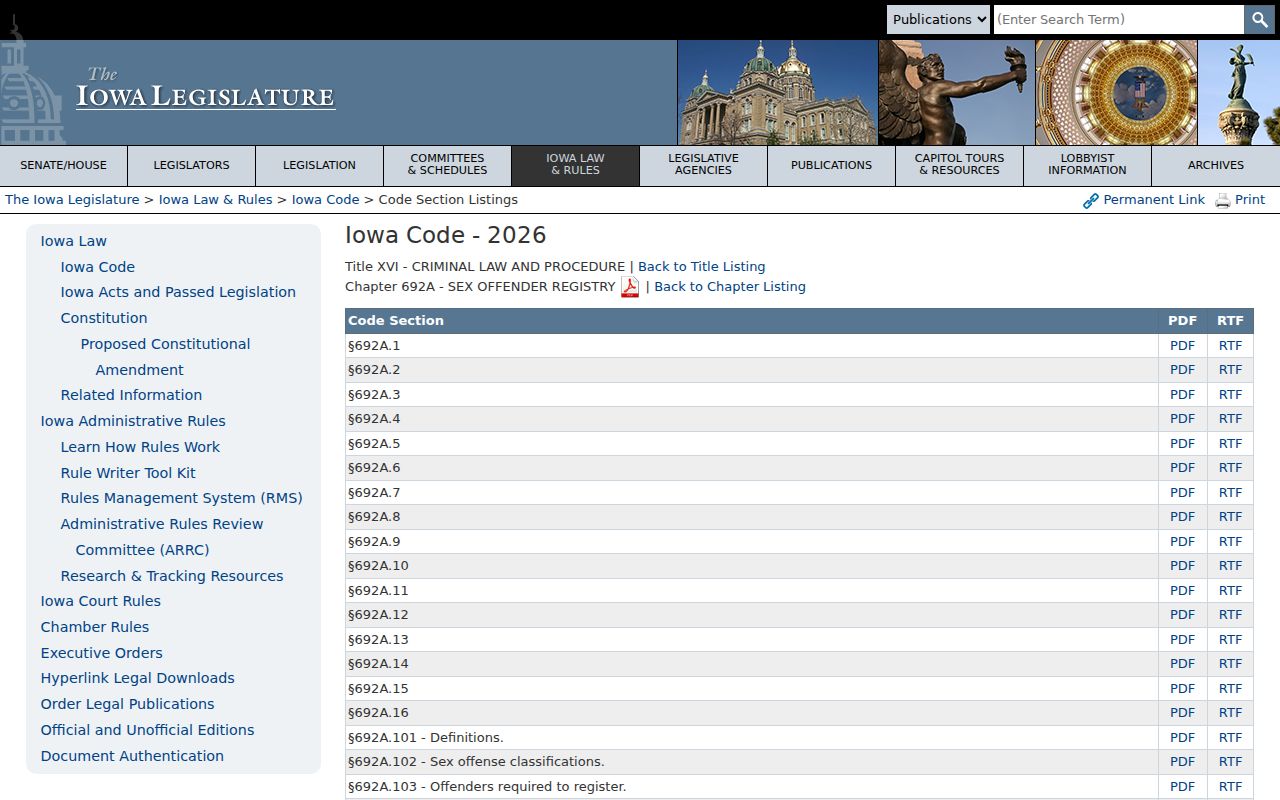
The statute is the sound source when a profile's tier, duration, or registration duty needs context.
Carroll County Registry Residency Rules
Iowa Code section 692A.114 places residency and presence restrictions tied to schools and child-care facilities on covered offenders. Section 692A.113 addresses exclusion zones and activities, while section 692A.127 limits inconsistent local rules. These provisions do not apply in an identical way to every person on the registry. The offense, status, and statutory conditions matter.
A map pin alone does not decide whether an address violates Iowa law. Boundaries, covered facilities, exceptions, and the person's actual classification require official review. Report a concrete concern to the Carroll County Sheriff and let law enforcement evaluate it. Avoid posting claims online or attempting to enforce a restriction yourself.
The Iowa juvenile records chapter also shows why not all justice information is public.
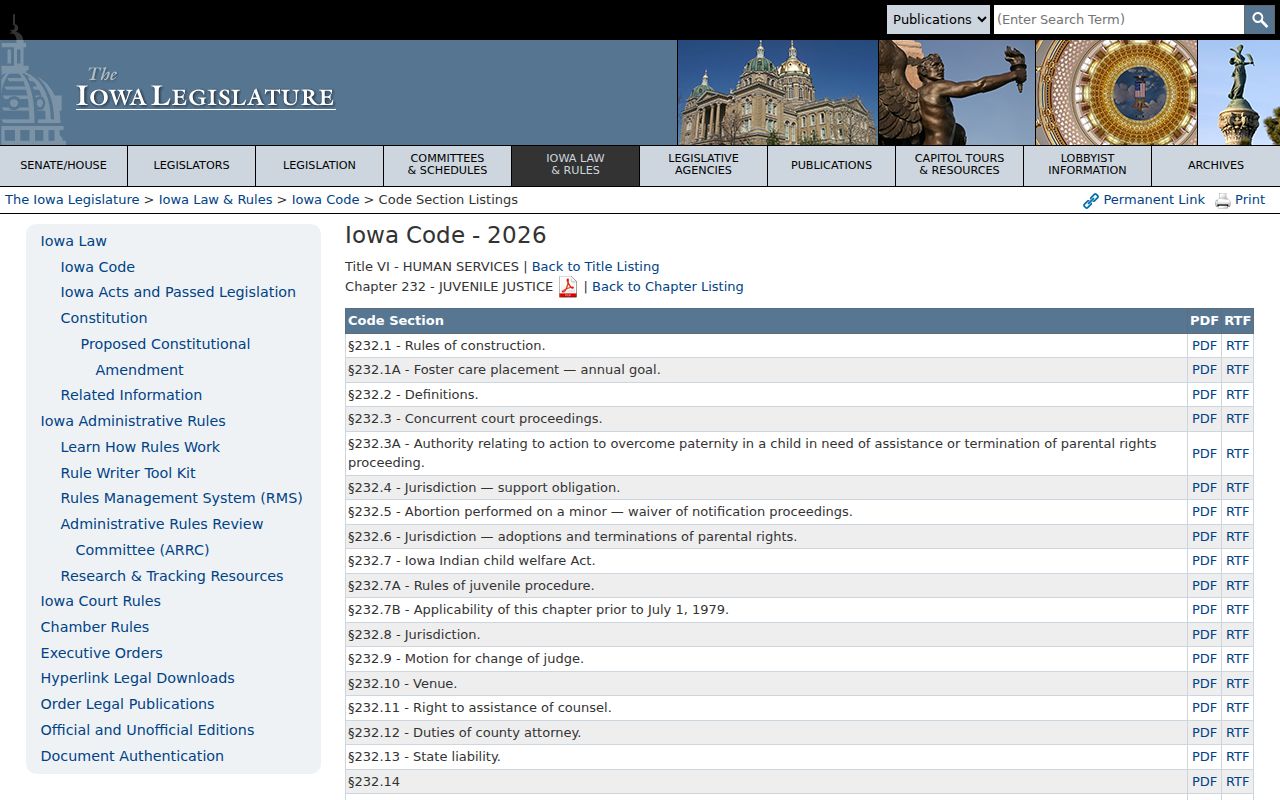
Confidential juvenile material and public registry information follow different disclosure rules and should not be blended.
Carroll County Registry and NSOPW
The Iowa registry is the best source for a Carroll County profile because Iowa maintains the underlying state record. NSOPW is useful when a person has lived, worked, attended school, or registered outside Iowa. It searches participating public registries, but the originating state still controls its data, update schedule, and profile fields.
Search the Iowa system by Carroll County first. Then repeat a known name through NSOPW when interstate history is relevant. This second check is most useful when a move, prior address, or earlier registration crossed a state line. Compare aliases, photographs, physical traits, and offense details rather than treating matching names as proof. If two profiles conflict, contact the agency that published each one. Do not choose whichever version seems more severe.
Community Notification and Lawful Use
Registry information is published for public safety and awareness. It can help a family understand locations, review official offense data, and make a fact-based safety plan. It does not authorize harassment, threats, vigilantism, or unlawful discrimination. Presence on the registry reflects a statutory duty, not proof of current dangerous conduct. Absence from the registry is not a general criminal-history clearance.
Use Carroll County registry information lawfully. Misuse that amounts to harassment can be a crime under Iowa Code section 708.7. Threats, vigilantism, and unlawful discrimination are prohibited. Sections 692A.111 and 692A.112 separately criminalize registry noncompliance and false registration information. Report concerns to law enforcement rather than confronting anyone.
When a profile appears inaccurate, call the Carroll County Sheriff at (712) 792-4393 or Iowa DCI registry support at (515) 725-6050. For immediate danger, call 911. Give staff the exact profile and discrepancy so they can check the official record.